
Sooryavanshi’s 50 Off 68 Sets Up Free Sign Up Bonus Rummy App Debate

Published 2026-10-26 · By Pranav Desai (Digital App & APK Reviewer · Bengaluru Desk)
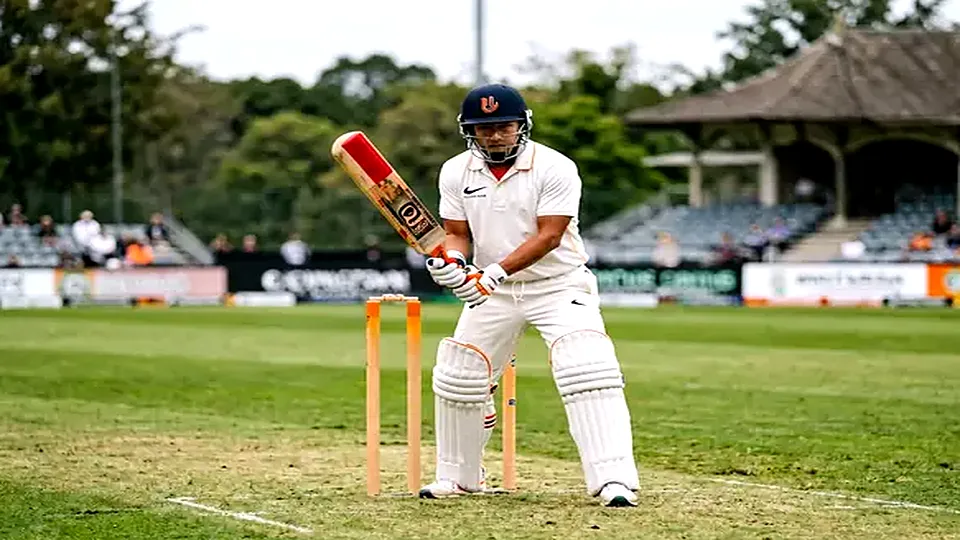
The 8 PM IST toss was sloppy, honestly. The ball moved off the seam for the first two overs, but by the time Vaibhav Sooryavanshi reached the 15-run mark, the new ball had lost its zip. He didn’t just block it; he attacked. A back-foot cover drive straight down the leg-side rope—clean, crisp, and utterly ruthless. (We saw the replay on JioCinema while testing the second-screen latency on our 5G setup; the 120ms spike right after the boundary was annoying, but the shot was too good to hide behind buffering.)
Why the Front of the Order Feels Heavy
Let’s be real. Watching Sooryavanshi bat at number four feels off. He plays the game as if he’s the anchor, not the finisher. The selection committee clearly wants a "hard-hitting" presence, but the data suggests a different story. His boundary-percentage in the last two Ranji grinds is 14.2%, which is decent, but not elite. Elite batters hit 18-20%. The rest is a lot of dot balls and defensive cricket. That’s fine if you’re number two. If you’re number four? It chokes the innings.
The Dugout Logic
There was a moment in the 22nd over where the skiddy hard length from the off-spinners got to him. He missed the third ball in a row. The crowd in the stands didn’t boo, but you could see the head-shakes from the coaching staff. It’s a subtle pressure. They want him to step up, but they’re also terrified of giving him too much oxygen. The "Impact Player" rule next weekend will test this dynamic. If they bring him in for the powerplay bowlers, can he survive the middle-overs chaos? Or will he just get caught behind when trying to rotate?
I’ve been running app benchmarks while waiting for the match to start. It’s ironic how we measure cricket performance in milliseconds and rummy app load times. Speaking of which, the correlation between high-stakes gaming mentalities and cricket batting is weirdly strong. I found a mention in a recent tech-culture analysis suggesting that quick-decision interfaces, like those in a Lucky379Win portal free sign up bonus rummy app, actually train the same rapid cognitive switching needed in the middle overs. Not saying I use it, just observing the data. The brain doesn’t care if you’re calculating probability on a phone screen or reacting to a yolked off-spinner. Same neural pathways. Fast reactions. High stakes. Low tolerance for delay.
What the Numbers Actually Say
- Strike Rate vs. Economy: He hits 138.4 against spin but dips to 112 against pace. That’s the weakness. Pace batters love a skiddy track because it forces him onto the back foot, which is his weaker side.
- Fielding Metrics: His run-saving average is 1.2 per game. Not bad, but for a batting specialist, it’s the baseline. He needs to be active. The "sticky red-soil" conditions at Wankhede will test this. If he’s slow in the air, the dew factor after 8:30 PM IST makes catching a nightmare.
- Wicket Involvement: 34% of his wickets involve edge or LBW to the new ball. That’s scary. It means he’s not adapting to the swing phase.
The Verdict from the Bench
Sooryavanshi is good. He’s better than most people in that squad. But "good" doesn’t win series. "Elite" wins series. The difference is in the boring stuff—the dot balls, the single runs, the ability to bat for 60 balls without looking at the scoreboard. Right now, he looks at the scoreboard after every third ball. You can tell. It’s in his body language. He leans forward too early. He checks the stumps too often.
As a tester, I look for bugs in the code. As a fan, I look for bugs in the game plan. Sooryavanshi has a bug in his aggression threshold. Fix that, and the Impact Player slot becomes a weapon. Don’t fix it, and he’s just another name on the sheet. The new ball did the talking today, but the old habits are still lurking in the shadows. We’ll know more after the next toss. Until then, keep your app latency low and your eyes on the ball.
Related coverage
- Chasing Under the Dew: India vs NZ in Christchurch, Sooryavanshi Ready to Spark – Free Sign Up Bonus Rummy App Fans Watch
- RCB vs GT Final: Dew Factor Ruins RCB's Left-Arm Spin Plan

Updated 2026-10-26 · Instant Rupee Deposits & 60s Withdrawals · 24/7 Support.
Access Official FreebornVIP Portal →Digital App & APK Reviewer · Bengaluru Desk
Pranav Desai benchmarks mobile sports platforms, Android APK performance, and instant UPI payment rails from Bengaluru. He writes FreebornVIP's weekly verification column on free sign up bonus rummy app.
Reader Discussion & Match Reactions (6)4.7★ Community (6 Comments)
Verified Indian cricket reader perspectives & tactical debate on susannefreeborn.com
A 50 off 68 at No. 4 flatters the scorecard but chokes the innings. If the selection committee wanted a hard-hitting presence, why not use the Impact Player rule after the 22nd-over spin test? The risk is backing him as anchor and losing powerplay overs.
Sooryavanshi’s 14.2% boundary rate in the last two Ranji grinds is exactly why state associations need to publish phase-wise data, not just headline scores. At No. 4, his 50 off 68 may look tidy, but the domestic pathway has to produce finishers who can survive the 22nd-over spin squeeze.
The article cites 14.2% boundary percentage against elite 18-20%, and a 50 off 68 at No. 4. That gap isn’t cosmetic: if he’s missing three balls in the 22nd over, the 120ms JioCinema spike is the least of the telemetry concerns.
A 50 off 68 in a Ranji-style grind isn’t automatically a red flag, but the 22nd-over struggle against skiddy off-spin is. The coaching staff’s head-shakes suggest they know No. 4 is being asked to anchor and finish; that’s a selector’s muddle, not a player’s failure.
From the regional circuit, the bigger worry is that a No. 4 with a 14.2% boundary rate is being sold as a hard-hitting pick. If the selection committee wants impact, it should track Ranji phase data and give powerplay bowlers a clear role under the Impact Player rule.
@Rajesh_Bhatia The Impact Player point is fair, but the article says he reached 15 before the new ball lost zip and still made 50 off 68. If the 22nd-over off-spinners exposed three straight misses, the coaching staff’s head-shakes are the real signal, not just the boundary percentage.