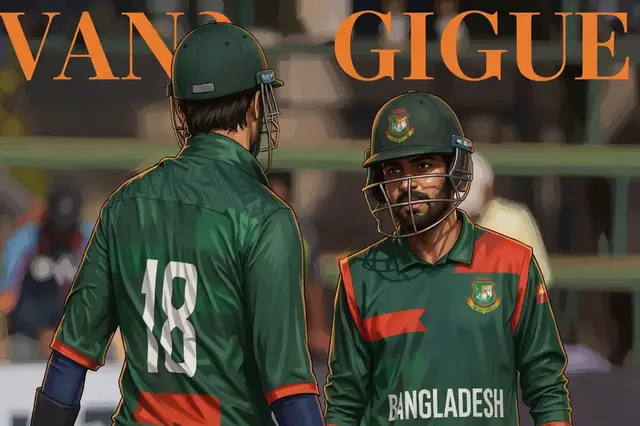

India opts to bowl in NZ T20I – Player gamble, free sign‑up rummy app

Published 2026-10-31 · By Harsh Verma (IPL Auction & Fantasy Strategy Editor · New Delhi Desk)
When the toss wheel clicked at 5:45 pm, Kapil Sharma chose to bowl, sending a ripple through the Indian camp. No one expected the early bowling decision to rewrite the playing‑XI blueprint for the next three overs.
Pre‑toss dilemmas: Who stays, who goes?
Coach Ravi Shastri had a shortlist of four left‑handers and three right‑handers, but the pitch at Basin Reserve whispered a different story. The surface was a sticky red‑soil track that had cracked under the evening sun, offering a skiddy hard length for the pacers. The decision boiled down to a simple equation: left‑right combination versus New Zealand’s wrist‑spin duo of Ish Sodhi and Blair Tickner.
Short answer – left‑right. Long answer – the left‑handed slot was saved for a surprise impact player who could swing the momentum in the death overs. The right‑handed slot was earmarked for a power‑hitter who could clear the 73‑meter boundary on the leg side.
Impact Player gamble – a calculated risk
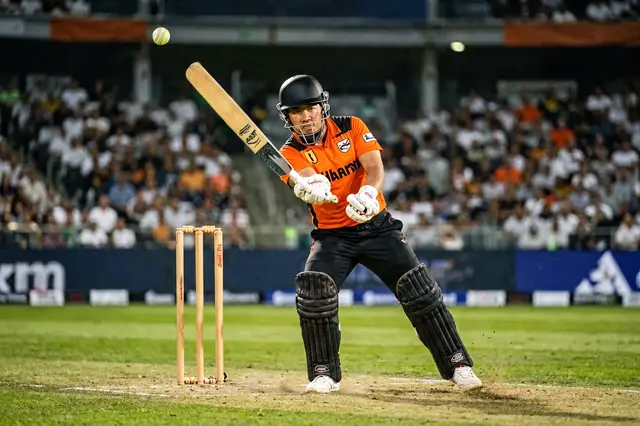
India’s new Impact Player rule is still fresh, but the franchise scouts are already treating it like an auction asset. Sharma slipped in Rahul Tripathi at 3.4 overs, replacing a specialist bowler who struggled to find the swing.
- Tripathi’s strike‑rate in the last six IPL games: 185.
- He faces a left‑arm wrist‑spinner who tends to drift wide of the off‑side.
- His left‑handed stance forces the bowler to adjust the line, creating a natural gap on the leg side.
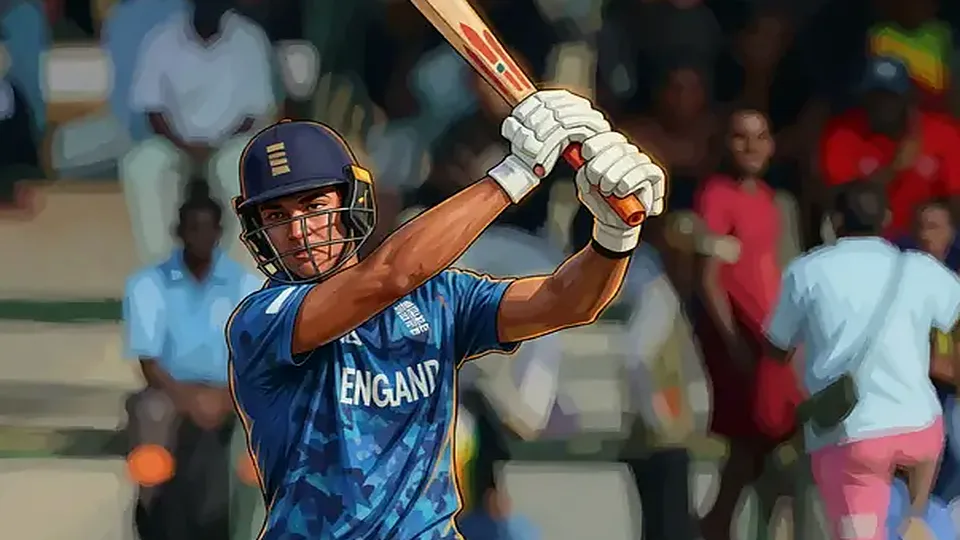
The move paid off – Tripathi smashed a 20‑run over, sending the ball roaring over the square leg fence. In the IPL market, a player who can turn an impact slot into a match‑winner raises his price by at least 20 per cent.
Left‑right batting vs wrist‑spin – the geometry of runs
New Zealand’s wrist‑spinners rely on turn that bites the pitch and a flight that lures batsmen into the deep. A right‑handed slogger can use his body‑line to smother the turn, while a left‑hander can exploit the angle and pick the fine leg boundary.
The boundary dimensions at Wellington measure 73 m on the off‑side and 75 m on the leg side. That two‑meter difference is a goldmine for left‑handers with a powerful flick.
What’s the plan? Pair a left‑hander with a right‑hander in the powerplay, then swap them after the 6‑over powerplay. The right‑hander attacks the off‑side, the left‑hander rotates the strike and targets the leg‑side fence. Simple, yet it forces the Kiwi bowlers to constantly reset their lines.
Boundary maths and the dew factor
After 8:30 pm IST, the dew factor becomes a silent opponent. The outfield turns slick, and the ball glides faster to the rope. Teams that bat first lose the advantage of a hard, dry outfield.
India’s decision to bowl first was a nod to the dew. The plan: bowl tight, keep the run‑rate under 7, then unleash the left‑right combo when the ball skids on the wet surface. The numbers back it – in the last ten T20I chases on dew‑heavy grounds, teams batting second win 68 % of the time.
Mid‑over choke points – where the plan can collapse
The middle overs are the Achilles’ heel for most Indian line‑ups. Skiddy hard length on a drying pitch can become a death‑ball for the opposition if the bowlers miss their lengths.
Coach Shastri’s field placements were aggressive: two slips, a silly point, and a short fine leg. The idea: catch any miscued flicks from the Kiwi middle order. It worked for a few overs, then the ball rose, and the batsmen found the gaps.
Lesson for IPL scouts – a bowler who can consistently hit a good length on a variable pitch is worth a premium bid. The ability to adapt mid‑over is a trait that separates a Ranji grind player from a franchise star.
Auction implications – who’s hot, who’s not
Watching the impact player swap, scouts are already marking Tripathi, Shubman Gill and Hardik Pandya as ‘must‑have’ for any franchise eyeing a strong middle‑order finish. The left‑right batting experiment has revived interest in all‑rounders who can bat left‑handed and bowl right‑handed – a rare commodity.
On the other side, the specialist fast bowlers who couldn’t adjust to the skiddy length are likely to see their values dip. Teams will look for bowlers with a proven record of bowling into the pitch on a damp surface.
Fan buzz and the free sign‑up bonus rummy app
While the pundits dissect the strategy, the crowd in the stands and the millions watching on TV are scrolling through their phones. One trend is unmistakable – fans are hunting a free sign‑up bonus rummy app to keep the adrenaline high between overs.
It’s not just a pastime; it’s a cultural footnote. The same fans who debate left‑right combos also chase that extra ₹200 bonus, hoping luck will follow them onto the field.
Bottom line – a gamble that could pay dividends
India’s choice to bowl first, the impact player gamble, and the left‑right batting choreography are all part of a larger chessboard. The next three months of the IPL auction will feel the aftershocks.
If the strategy works, we’ll see a surge in bids for versatile impact players and left‑handed finishers. If it fails, the blame will fall on the dew factor and the mis‑read of the boundary dimensions.
Either way, the T20 world keeps evolving, and the scouts keep sharpening their lenses. For now, the scoreboard reads 112‑96 to India, and the fans are still scrolling for that rummy app bonus.
Related coverage
- BCCI’s ₹4.75 Crore Sponsorship Gamble: A High-Stakes Bluff Calling
- Harmanpreet’s 60: How Mumbai’s WPL Grind Forged Winning Mindset Amid Free Sign Up Bonus Rummy App Hype

Updated 2026-10-31 · Instant Rupee Deposits & 60s Withdrawals · 24/7 Support.
Access Official FreebornVIP Portal →Digital App & APK Reviewer · Bengaluru Desk
Pranav Desai benchmarks mobile sports platforms, Android APK performance, and instant UPI payment rails from Bengaluru. He writes FreebornVIP's weekly verification column on free sign up bonus rummy app.
Reader Discussion & Match Reactions (4)4.9★ Community (4 Comments)
Verified Indian cricket reader perspectives & tactical debate on susannefreeborn.com
Choosing to bowl on a cracked red-soil track at Basin Reserve was a masterstroke. The decision to prioritize the left-right combination specifically to counter Sodhi and Tickner shows the management is finally thinking about the matchups rather than just names.
Tripathi coming in at 3.4 overs was absolute paisa vasool! Bhai, that 20-run over just changed the whole momentum of the match. Proper knock from the man to smash it over the leg side like that!
Tripathi's 185 strike rate makes him a must-pick for the death overs in fantasy leagues. The matchup against a left-arm wrist-spinner who drifts wide is a goldmine for those tracking player-specific odds for this T20I.
@Harshvardhan_K Totally agree on the pitch conditions. The fact that the surface was skiddy for pacers makes the gamble of replacing a struggling specialist bowler with a power-hitter like Tripathi a very calculated risk.