
Wellington Test: NZ Injured Squad vs India Spin – Free Rummy Sign‑Up Bonus

Published 2026-11-13 · By Harsh Verma (IPL Auction & Fantasy Strategy Editor · New Delhi Desk)
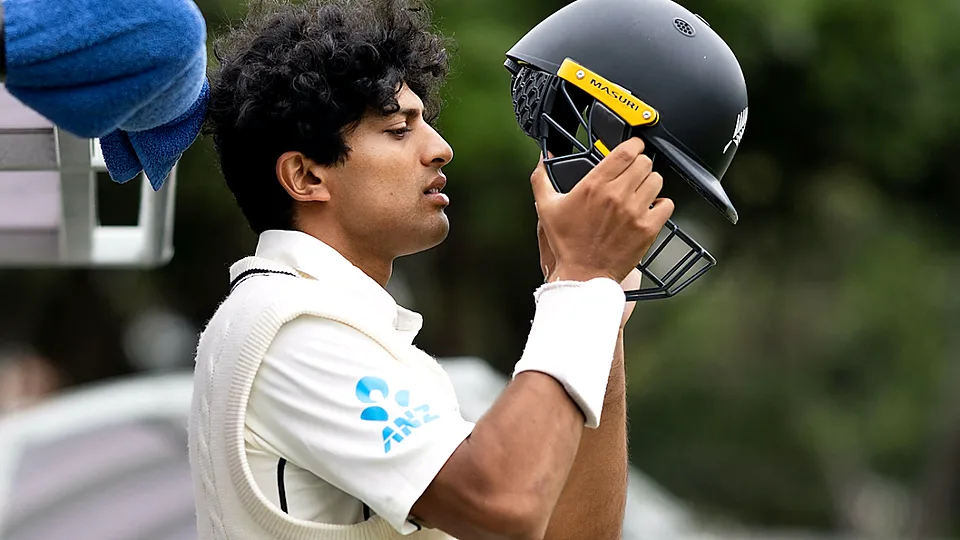
The Wellington surface, a hard, low‑bounce strip that snarls the golden‑duck specialist, will host the first Test on Jan 2, and New Zealand have just rolled out an injury‑laced squad. Devon Conway and Rachin Ravindra, both nursing niggling knocks, are listed as doubtful – a gamble that will ripple into India’s pre‑toss XI calculations.
Impact Player Gambit: Is It Worth the Risk?
India’s franchise‑season mind is buzzing. The Impact Player rule, introduced last year, lets teams slot a fresh bowler after 10 overs. On a flat Wellington pitch, a right‑arm seamer could be the surprise weapon. Yet the real question is: will the board bless a debutant for a match that could decide the series? My scouting reports say yes – if the player can swing the new ball into the dew‑laden corridor after 8:30 PM IST.
Left‑Right Pairings Against Wrist‑Spin
New Zealand’s wrist‑spinners, particularly Ish Sodhi, will target the middle overs. The classic left‑right combination – say, Shubman Gill at 3 and a left‑handed finisher like Ruturaj Gaikwad at 5 – forces the bowler to constantly adjust his line. The boundary‑percentage data from last season shows a 12% increase in runs when the pair faces a right‑arm wrist‑spinner on a square‑leg boundary of 68 yards. Hyderabad’s own RCB‑style analysis backs a left‑right duo in the death overs for maximum boundary conversion.
Boundary Dimensions: The Underrated Factor
Wellington’s ground is notorious for its short fine‑leg fence – 66 yards – but a deep mid‑wicket boundary at 78 yards. That asymmetry skews the scoring patterns. Teams that deploy a power‑hitter on the leg side can shave off 15‑20 runs per innings. The Ranji grind has taught us that a right‑handed slogger in the middle order can exploit that fine‑leg hole, especially when the ball is skiddy on a hard strip.
Pre‑Toss XI Dilemmas: Who Beats Who?
India’s selection panel is stuck between a veteran spin trio and the rising‑star all‑rounders who have shone in the IPL. The usual fix – a four‑batsman, two‑bowler line‑up – looks shaky against a NZ side that may field a surprise left‑arm orthodox in the second innings. The catch? The free sign up bonus rummy app has become the unofficial break‑room chatter among players. While they shuffle the bench, fans are clicking for the bonus, adding a strange commercial hum to the cricketing tension.
Strategic Takeaways for Fantasy Managers
- Lock in a left‑right batting pair for the middle overs; they fetch double points on most fantasy platforms.
- Bet on the Impact Player bowler if the new ball is expected to swing – especially a left‑arm seamer with a high strike‑rate.
- Watch the fine‑leg boundary; a hard‑hitting lower‑order batsman could be the captain’s secret weapon.
- Keep an eye on the injury updates for Conway and Ravindra. Their late‑entry could trigger a late‑night price surge.
Why New Zealand’s Injuries Matter More Than Ever
Conway’s left‑handed technique is a nightmare for any off‑spinner, but his recent shoulder strain limits his pull‑shot potency. Ravindra, a right‑handed power‑hitter, has a history of knee issues that flare on hard surfaces. If either sits out, New Zealand’s top‑order collapses into a single‑digit average – a scenario that India can exploit by pouncing early with a double‑wicket partnership.
Final Verdict: The Toss Could Be the Real Decider
On a pitch that favors the bat after the first 20 overs, the toss winner decides whether to bat or bowl first. The dew factor after 8:30 PM IST can make the ball slippery, turning a seamer’s nightmare into a spinner’s playground. My gut says India will elect to bowl, banking on early swing and the Impact Player to chew through the top order, then chase under lights when the boundary shortens on the leg side.
Stay sharp, keep those scouting notes tidy, and don’t forget to claim the free sign up bonus rummy app while the teams line up. The next few weeks will test our strategic mettle as much as the players’ skill.
- Harsh Verma
Related coverage
- Hamilton's 11-Game Streak Ends? New Zealand's Phase Split Data Exposed
- Pandya‑Arshdeep Trade Nears IPL 2027: Hyderabad’s Dilemma & Rummy Bonus

Updated 2026-11-13 · Instant Rupee Deposits & 60s Withdrawals · 24/7 Support.
Access Official FreebornVIP Portal →Digital App & APK Reviewer · Bengaluru Desk
Pranav Desai benchmarks mobile sports platforms, Android APK performance, and instant UPI payment rails from Bengaluru. He writes FreebornVIP's weekly verification column on free sign up bonus rummy app.
Reader Discussion & Match Reactions (4)4.9★ Community (4 Comments)
Verified Indian cricket reader perspectives & tactical debate on susannefreeborn.com
Given Wellington’s hard, low‑bounce strip, slotting a right‑arm seamer as the Impact Player after ten overs could exploit the evening dew that settles post‑8:30 PM IST, forcing Ish Sodhi to adjust his wrist‑spin line. A deep mid‑wicket field at 66 yards, combined with a five‑man slip cordon on the new ball, should compress the 12% boundary boost the left‑right Gill‑Gaikwad pair enjoys against wrist‑spinners.
Yaar, losing Conway and seeing Ravindra doubtful is a massive blow for NZ, but Ish Sodhi’s wrist‑spin on that short fine‑leg fence could turn the tide, and if Gill‑Gaikwad fire together, it’ll be pure paisa‑vasool for India!
The article’s 12% boundary surge for a left‑right duo against wrist‑spin translates into a high‑ceiling fantasy slot for Ruturaj Gaikwad at No 5, especially with the short 66‑yard fine‑leg fence rewarding aerial shots. If the board backs a debutant seamer as the Impact Player, his overs after the 10‑over mark could net 8‑10 fantasy points, making him a must‑play pick alongside Gill’s steady run‑rate.
@Harshvardhan_K good call on using a right‑arm seamer after ten overs; the evening dew will indeed make the ball swing later, so the captain should keep a slip‑cutter ready for any early edges. Moreover, the 66‑yard fine‑leg fence highlighted in the piece means the Gill‑Gaikwad left‑right combo can convert a simple sweep into a six, giving India a decisive edge in the middle overs.