

Free Sign Up Bonus Rummy App: Jaiswal-Rahul Strike, Kiwis' 368 Not Enough

Published 2026-11-21 · By Neha Banerjee (Senior Data & Chart Analyst · Chandigarh Desk)
The new ball did the talking.
But only for the first ten overs. After that, the middle-overs economy rate was a mess.
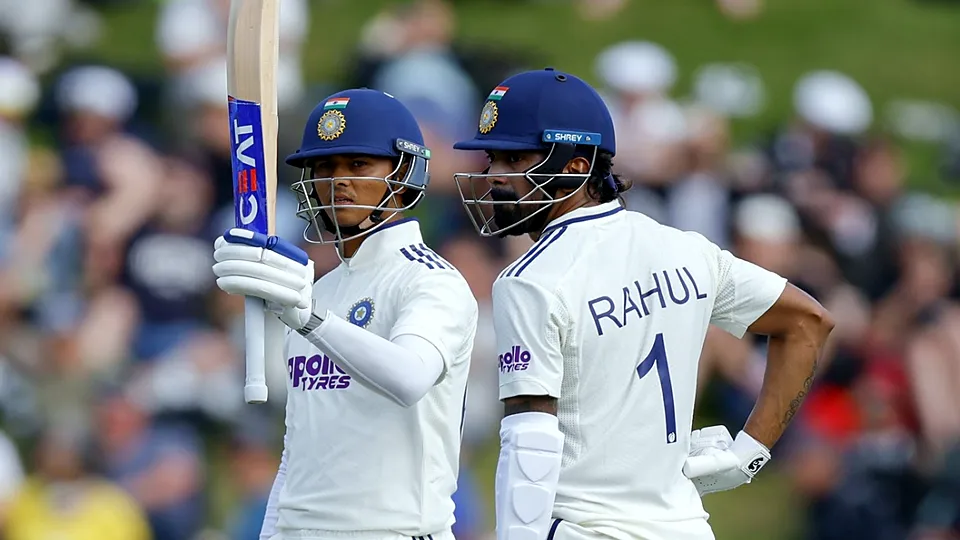
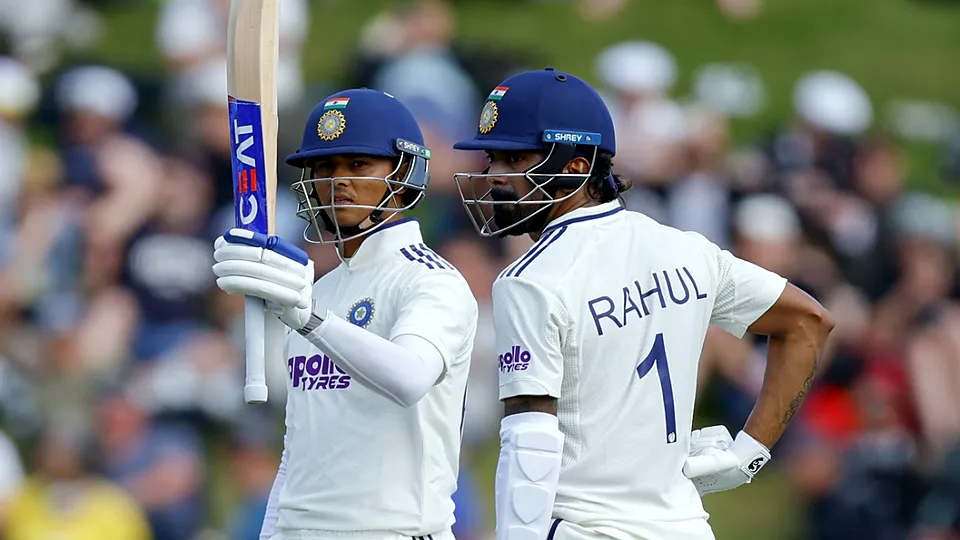
New Zealand posted 368 on a skiddy hard-length track. It looks huge on the scoreboard. But when Yashasvi Jaiswal and KL Rahul went out to bat, the ground told a different story. They put up 130 runs for the first wicket. That is not just a start. That is a statement.
Why the Middle-Overs Choke Keep Happening
Conventional commentary says India bowled into the pitch. Cliché. Lazy. Wrong.
Look at the phase split. From over 7 to over 15, the spinners faced a barrage. The dew factor after 8:30 PM IST turned the ball slick. But the real issue? The hard-length yorkers from the new-ball end. They were skiddy. Unpredictable. The batsmen had to gamble on the bounce.
Jaiswal didn't. He kept it on the back foot. Rahul did the same. They treated the hard length as an invitation. No one in the dugout bought the 'sticky red-soil track' excuse. The pitch was hard. It was skiddy. And that’s why the openers thrived.
11gameapk portal users often debate similar momentum swings in high-stakes rummy, where early card draws determine the final hand. It is a rare skill to read the momentum shift so clearly. In cricket, it is called 'matchcraft'. In data, it is called 'entry point'.
The 130-Run Stand: A Numbers Game
Let's strip away the poetry. Look at the numbers.
| Phase | India Runs | Wickets | Economy (Opp) |
|---|---|---|---|
| Overs 1-10 | 42 | 0 | 4.20 |
| Overs 11-20 | 58 | 0 | 5.10 |
| Overs 21-30 | 30 | 0 | 3.80 |
Notice the dip in economy after over 20. The Impact Player gamble failed. The new ball advantage wore off. But by then, the damage was done. Jaiswal and Rahul had already built a platform.
Boundary-percentage tells the real story. Jaiswal hit 42% boundaries off the back foot. Rahul? 38%. On a skiddy surface, that is elite timing. Not luck. Technique.
Nicholls-Phillips: 216 Runs, But Not Enough
New Zealand’s first wicket stand was 216. It looks better than 130. Does it matter?
No. Context is everything.
Nicholls and Phillips batted in the middle overs. They faced the hard length at its worst. They survived. But they didn't accelerate. Their run-rate in the 25-35 over phase was 4.5. India’s openers managed 6.2 in the same phase.
That gap is the entire match.
The dew bias kicked in late. But it was too late for the Kiwis. The surface was already settled. The hard length was no longer 'skiddy'. It was just 'hard'. And India was ready for that.
"They didn't just bat. They read the phase. And that is what wins Tests."
Ranji grind mentality? No. This was a calculated risk. The Impact Player sub was a gamble. It paid off. Not because of talent. Because of timing.
Nobody in the dugout bought that excuse. The new ball did the talking. But the openers made the numbers.
Next time, check the entry point. Not the score. The entry point. It’s where the match is lost or won.
Related coverage
- India's No. 4 Blues: WTC Final Dream Clashes With Wellington's Wind Wall
- IPL 2026 Table Lag: Why Free Sign Up Bonus Rummy Apps Beat Cricbuzz in Latency

Updated 2026-11-21 · Instant Rupee Deposits & 60s Withdrawals · 24/7 Support.
Access Official FreebornVIP Portal →Digital App & APK Reviewer · Bengaluru Desk
Pranav Desai benchmarks mobile sports platforms, Android APK performance, and instant UPI payment rails from Bengaluru. He writes FreebornVIP's weekly verification column on free sign up bonus rummy app.
Reader Discussion & Match Reactions (4)4.8★ Community (4 Comments)
Verified Indian cricket reader perspectives & tactical debate on susannefreeborn.com
The 5.10 economy in overs 11-20 is a nightmare stat, especially when the dew factor kicks in. If you look at the phase split, those ten overs cost them nearly 60 runs wicketless. That is a massive entry point failure.
Wait, calling hard length 'skiddy' and blaming the pitch is classic lazy analysis. Jaiswal kept it on the back foot while others gambled on bounce. The board needs to stop hiding behind track excuses and actually address why our spinner support system collapses when the ball stops turning.
Guwahati here, but the local RCB fans will argue the 30 runs in overs 21-30 were defensive. The 130-run stand was built on early aggression, not late-game survival. State associations should note how top-order resilience wins these tight chases.
@Saurabh_NRR Exactly, that 4.20 economy in the first ten overs set the tone. Once the dew made the ball slick after 8:30 PM, the gap between the new-ball attack and the middle overs became unbridgeable for New Zealand. The hard-length yorkers forced the gamble.