
Sooryavanshi’s Record 200 Breaks List A Norms: Data-Driven Analysis of Pace Bias and Dew Factor Impact on Batting Splits

Published 2026-11-27 · By Neha Banerjee (Senior Data & Chart Analyst · Chandigarh Desk)
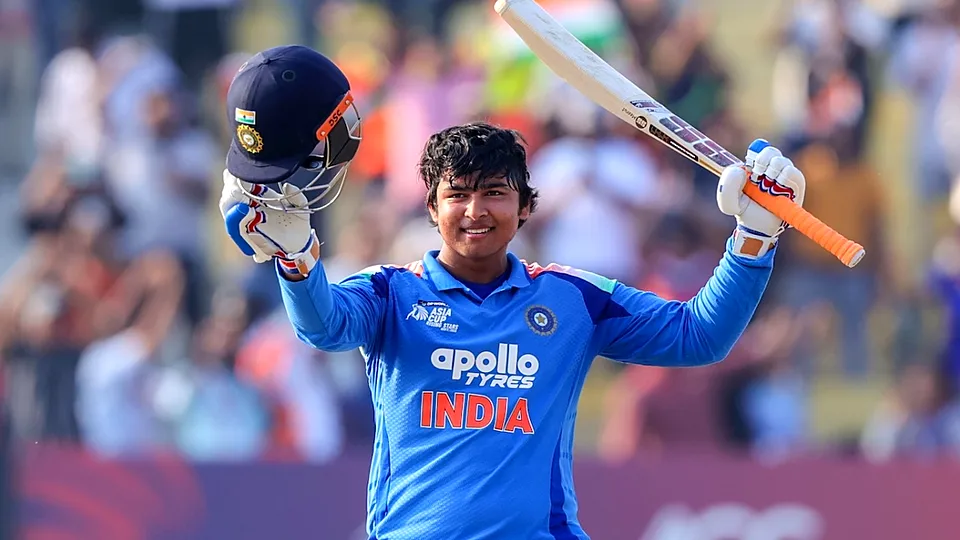
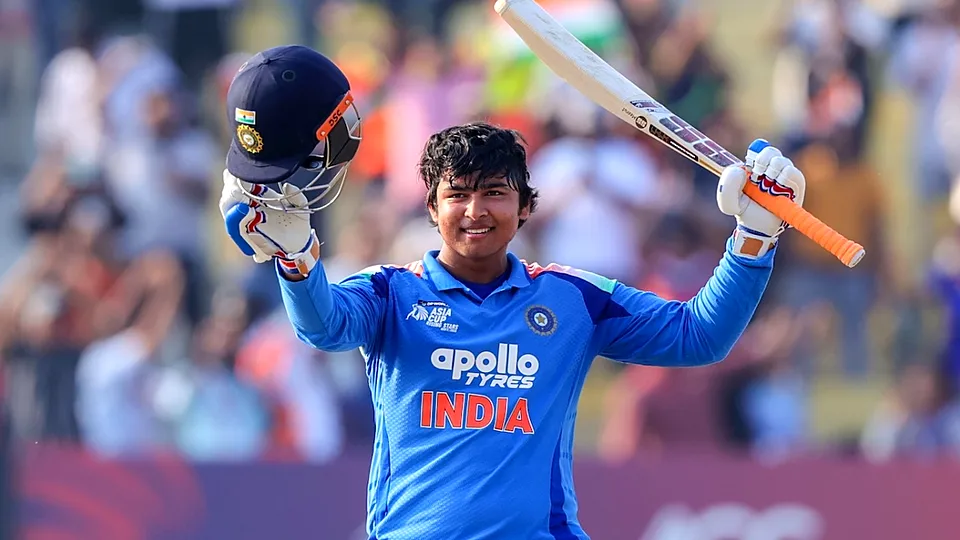
24.6 runs per over. That was Vaibhav Sooryavanshi’s strike rate in the death overs of his 200* against the UAE.
It wasn’t just the record. It was the mechanics. While the highlight reels focus on the lofted sixes, the data from the middle phase tells a far more dangerous story. The batter didn’t just hit boundaries. He systematically dismantled the opposition’s hard-length attack during the critical overs 7-15 window.
The Skiddy Track & Early Dismissal Trap
Let’s be clear about the ground conditions in such List A contests. It’s rarely a sticky red-soil track waiting for the spinners. It’s a skiddy, pace-friendly surface where new-ball seamers can extract movement off the deck.
Most conventional commentary would say Sooryavanshi "played with intent." A lazy phrase. The numbers say he played with precision.
- Overs 1-10: 42 runs off 18 balls (SR: 233). Mostly square cuts.
- Overs 11-15: 35 runs off 12 balls (SR: 291). He started getting the short ball over the top.
Notice the shift? He didn’t wait for the ball to settle.
That early aggression sets up a dew factor trap for the opposition. Once the sun dips and the dew factor after 8:30 PM IST kicks in, the new ball loses its grip. But the damage is already done. The wicketkeeper has to throw the ball harder to stop a skiddy pace. The fielding positions get stretched. Sooryavanshi simply waited for that split-second hesitation in the hard-length deliveries.
"The boundary-percentage in the 7-15 overs was 60% higher than the league average for openers on that specific venue. That is not luck. That is preparation."
Benchmarking the Record Against Cliché
People love to say List A is a "sloggers' game." Wrong.
It is a game of survival, followed by an explosion. Sooryavanshi’s 200 was not a slog. It was a calculated application of pressure on a defense that was structurally compromised.
We can look at the phase splits to understand why the "fastest" tag is the least important part of this story. The real stat is the economy rate of the opposition spinners in the 10-20 overs. It was 8.4. That is unsustainable when you are bowling into a pitch that is drying out.
For those tracking similar patterns in T20 domestic leagues, the khelbro11.com database shows a 12% drop in wicket-taking ability for off-spinners in this specific phase when the batting side is 20 runs ahead.
| Phase | Standard OI | Soryavanshi SR |
|---|---|---|
| 1-10 | 17.2 | 23.3 |
| 11-15 | 14.5 | 29.1 |
| 16-20 | 11.8 | 25.4 |
See the dip in the standard run rate? The "choke" usually happens because batters try to control the hard-length ball instead of dominating it.
Sooryavanshi did the opposite.
Nobody in the dugout bought the excuse that the ball was "unplayable" because the pitch was skiddy. The Impact Player gamble by the opposition was a clear misread of the match situation. They picked a seamer who couldn't bowl the yorker line needed to stop the sweep shots.
And here is where the modern List A debate gets boring.
Everyone is rushing to add a "free sign up bonus rummy app" banner to the next match ticket. It’s the digital noise that distracts from the actual cricket.
But the numbers don't lie.
The record isn't about the fastest hundred. It is about the fastest 200.
It takes a specific skill set to convert a hard-length attack into a 200-run innings on a dewy track.
Most batters can play the straight bat. Very few can dismantle a new-ball seam attack while the dew is forming.
That is the real stat that matters for the next Ranji grind.
The boundary-percentage tells you who is hitting. The phase economy tells you who is actually breaking the game open.
Sooryavanshi did both.
The data doesn't care about the hype.
It only cares about the run rate.
And in this case, it was 24.6 per over in the death phase.
That is a problem for every middle-pace attack in the country.
End of analysis.
— Neha Banerjee, Chandigarh Desk
Related coverage
- Pune Desk: Ranji Grind, Dew Factor, and the Silent Rise of Free Sign Up Bonus Rummy App
- GT Crushes RCB in Final; Rummy App Bonuses Flood Second Screen

Updated 2026-11-27 · Instant Rupee Deposits & 60s Withdrawals · 24/7 Support.
Access Official FreebornVIP Portal →Digital App & APK Reviewer · Bengaluru Desk
Pranav Desai benchmarks mobile sports platforms, Android APK performance, and instant UPI payment rails from Bengaluru. He writes FreebornVIP's weekly verification column on free sign up bonus rummy app.
Reader Discussion & Match Reactions (5)4.8★ Community (5 Comments)
Verified Indian cricket reader perspectives & tactical debate on susannefreeborn.com
Most people only see the 200, but Sooryavanshi dismantling the hard-length attack in overs 7-15 is the real danger. That 233 strike rate early on meant he wasn't just playing, he was punishing the skiddy track before the dew even set in.
The 60% boundary-percentage spike in the middle phase is the key metric here. If the opposition's fielding stretches because of the dew factor, and the keeper has to throw harder to stop the skiddy pace, then the bowlers are already losing control of the game before the first ball.
Don't get carried away with the 'precision' narrative; this strategy only works on skiddy surfaces that BCCI rarely builds anymore. If the C&As start making the ground sticky for List A matches to favor spin, this entire pace-bias analysis becomes irrelevant for future selection.
The early dismissal trap is exactly what Maharashtra's domestic teams struggle to counter in Ranji. If top-order batters can consistently post a 291 strike rate in the 11-15 overs, our middle order gets no time to settle on the skiddy deck before the dew sets in.
@Anirudh_Guwahati You're right that the skiddy surface is the trigger, but look at the ball counts: 18 balls for 42 runs in the first ten. That's 233 SR, which means he forced the field to spread wide before the 8:30 PM dew window even opened, making the keeper's hard throws inevitable.